Blog
The Role of Flooring in Home Climate Control: Enhance Comfort and Efficiency
Flooring materials play a crucial part in regulating temperature. Certain flooring types, like carpet and cork, offer excellent insulating properties. Carpet is particularly well-suited for cooler climates, as it helps retain heat, making your home more comfortable during the chilly months. The fibers in carpet flooring trap heat, keeping your feet warm and reducing the need for additional heating, potentially lowering utility bills.
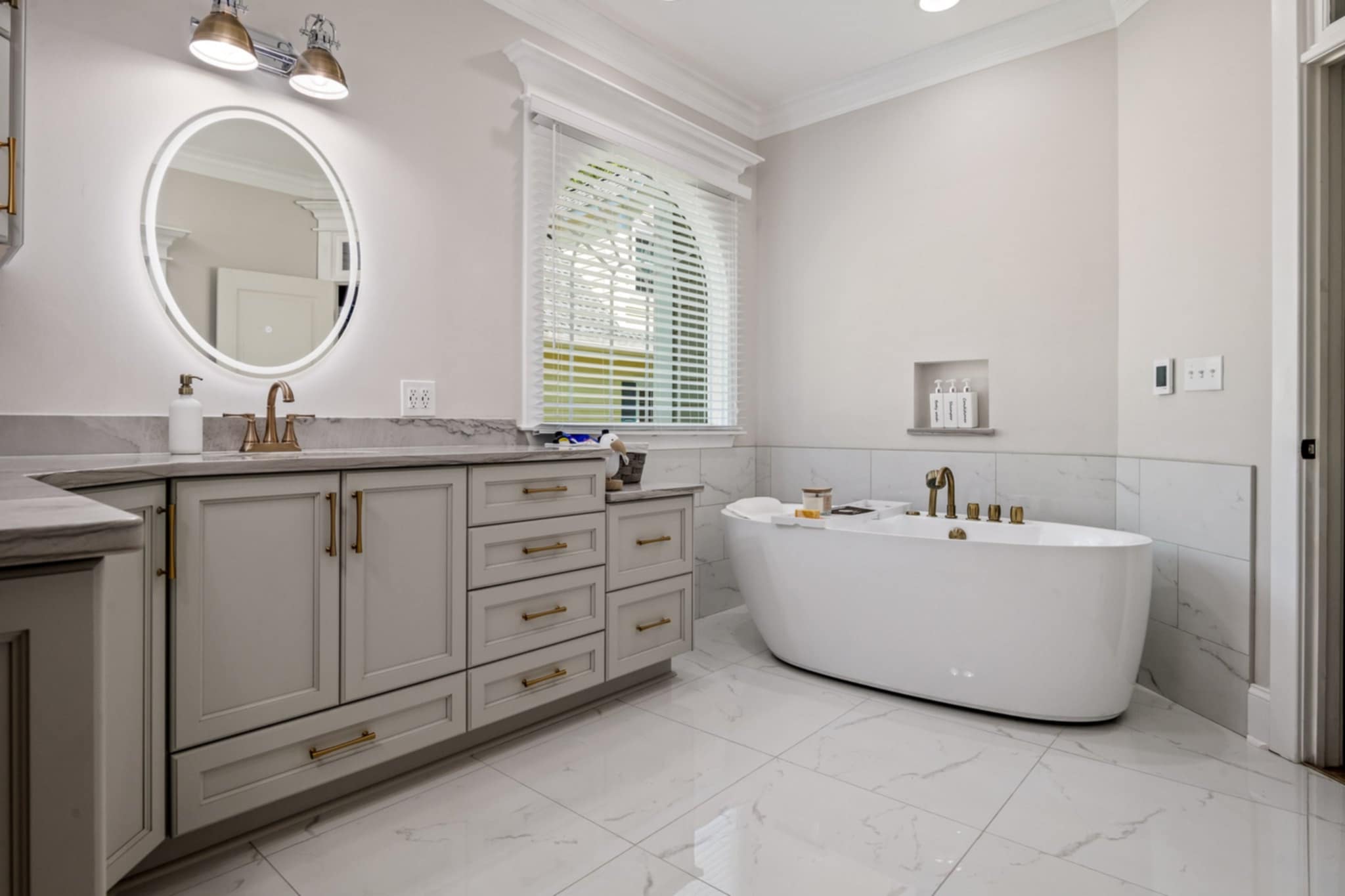
On the other hand, if you reside in a warmer climate, tile flooring can be an excellent choice. Ceramic and porcelain tiles have cool surfaces that help to lower the ambient temperature of a room. This cooling effect can be enhanced by using tiles with a light color or finish, which naturally reflect heat. By opting for tiles in sun-drenched rooms, you can reduce reliance on air conditioning, leading to energy savings.
For those who prefer a middle ground, hardwood flooring offers versatility. While not as insulating as carpet or as cooling as tile, hardwood has its own benefits related to climate control. It acts as a natural insulator and can be combined with area rugs for added warmth in winter. Moreover, underfloor heating systems pair well with hardwood, providing an even distribution of warmth across your living spaces.
When considering flooring for climate control, it is also important to think about the installation process and maintenance. Proper installation is key to maximizing the insulating or cooling properties of your chosen flooring. For instance, adding underlayment beneath tiles or hardwood can significantly improve their insulating capacity, while proper sealing helps prevent tile floors from absorbing too much moisture, which could modify their temperature-regulating properties.
In addition to material choice, considering sustainability can also lead to more energy-efficient homes. Recycled and eco-friendly flooring options are not only better for the environment, but they can also offer unique climate control benefits. For example, recycled tiles or reclaimed hardwood reduce resource consumption and often provide comparable insulating benefits to new materials.
Ultimately, the right flooring can contribute significantly to a more comfortable home environment, making it easier to manage interior temperatures efficiently. Whether you are looking to stay warm in the winter or cool in the summer, selecting the appropriate flooring for your climate zone is an effective strategy in home climate control.
In summary, flooring does play a pivotal role in determining a home's comfort level and energy efficiency. By carefully selecting materials based on your local climate and complementing them with proper installation and maintenance, you can create a more comfortable and cost-effective living space. Fulford Carpet and Tile is committed to helping you make the right choices for your home’s flooring needs. Our experienced team can guide you through selecting the best options tailored to enhance your home's climate control capabilities, ensuring a comfortable and efficient living environment year-round.